










Sable&Hawkes: Brand Sense. Why most brand guidelines aren’t enough anymore.
Brand guidelines still matter. But for many organisations, they are no longer enough on their own. The reason is not that consistency has stopped mattering. If anything, visibility, recognisability and trust matter more than ever. The problem is that the world brands now have to operate in is faster, more fluid and much harder to control than it used to be. Marketing is no longer a relatively contained process built around a few planned outputs. It now happens in a 24-hour environment, across multiple platforms, often in real time, and increasingly through dialogue rather than broadcast.
That changes what identity systems need to do. A logo pack, a few rules and a PDF guide may still be useful. But on their own, they are often no longer fit for purpose. Not because the rules are wrong. But because teams need more than rules if they are going to use the brand effectively. And that is where the strain often starts to show.
The challenge is not usually whether people know which logo to use. It is whether the organisation has given them the right visual tools, practical assets and usable guidance to do their jobs well in a modern communications environment. Because day to day, teams are not just managing “the brand”. They are creating content, adapting messages, shaping presentations, handling social media, supporting campaigns, responding quickly and trying to keep everything coherent while the pace keeps increasing.
That is why modern identity systems need to do more than protect consistency. They need to support action. They need to help people make sensible choices quickly. They need to give non-design teams confidence. And they need to provide practical assets that work in the environments the brand now actually lives in.
A simple test might be to ask:
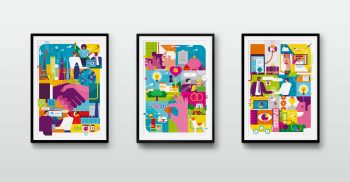
• can our team post on LinkedIn, Instagram or Facebook in a way that still feels recognisably like us?
• do people know where to find the right files, formats and assets for the channels they are working in?
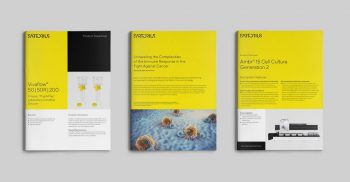
• could anyone in the organisation put together a credentials deck that looks and sounds as if it came from the same brand?
If the answer to those questions is “not really”, then it is most likely that your brand system is no longer giving people the support they need to use it confidently and consistently in the way modern communications now works. That is the real job of a modern identity toolkit. Not just to protect the brand in theory, but to help people apply it properly in practice.
Because in the end, a good identity system is not just something that looks right in a document. It is something that helps people do their jobs properly.
Sable&Hawkes
Branding | Design | Digital | Content | Social
Do good work. Be good people.